
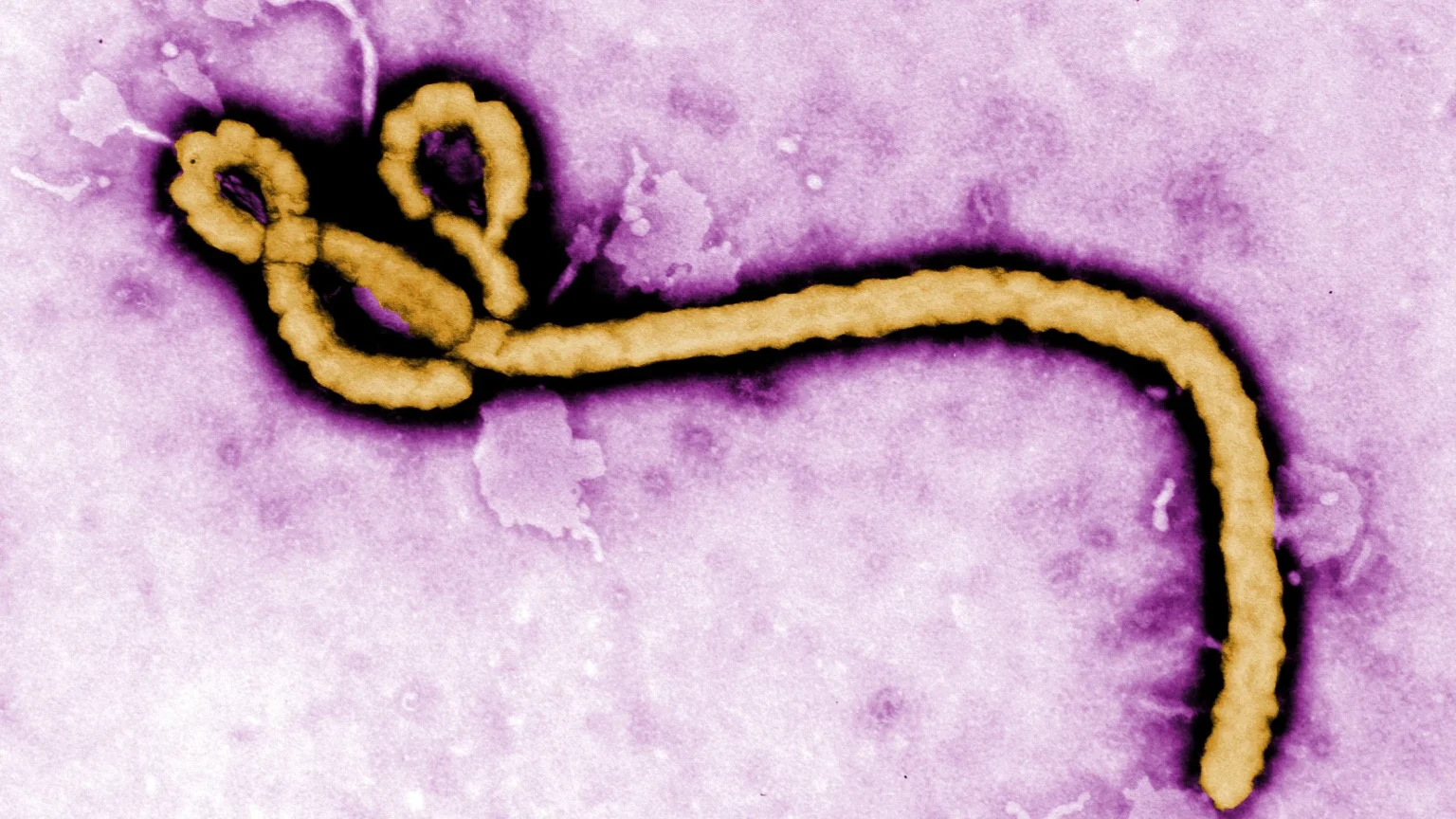


The Federal Government has confirmed a case of Ebola in Abuja.


Here is how to recognise the warning signs and protect yourself, according to the Nigeria Centre for Disease Control and Prevention.
A check by our correspondent on the NCDC website showed that the symptoms below are drawn from the agency’s Case Definitions for Ebola Viral Disease (Version 2), posted on Sunday, May 31, 2026. The agency had not posted a new advisory at the time of filing this report.

WARNING SIGNS TO WATCH FOR

1. Sudden fever is the starting point: The NCDC’s case definition centres on a sudden onset of fever.
Make PUNCH part of your everyday experience.
Add us to your Preferred Sources
2. Look for other symptoms: The NCDC says a suspected case has fever and at least three of these: headaches, lethargy, loss of appetite, aching muscles or joints, stomach pain, difficulty swallowing, vomiting, difficulty breathing, diarrhoea or hiccups.
3. Unexplained bleeding is a red flag: The NCDC counts “inexplicable bleeding” as a suspected case when the person has travelled to the DRC, Uganda, or any country reporting Ebola within the last 21 days.

4. Travel and contact history matter: The NCDC’s window is 21 days. It covers travel to affected countries, contact with a confirmed or probable case, and contact with sick or dead animals or bushmeat.
5. Community warning signs: The NCDC says to be alert to fever that does not respond to treatment for the usual causes in the area, bleeding, bloody diarrhoea, bleeding into urine, or “any sudden or unexplained death.” Report such cases to a surveillance team or the nearest health facility.
HOW TO PROTECT YOURSELF
6. Wash your hands regularly: The NCDC urges regular hand hygiene with soap and water or an alcohol-based hand rub.
7. Avoid body fluids and the dead: The agency advised avoiding contact with the blood or body fluids of anyone who is ill, and with the body of anyone who died from an unknown illness.
8. Stay away from bushmeat and wild animals: The NCDC warned against handling sick or dead wild animals and against eating raw or poorly cooked bushmeat.
9. Seek medical help early and give the full story: The agency said anyone who falls ill, particularly after recent travel to an affected country or contact with a suspected or confirmed case, should seek prompt medical attention and give health workers accurate travel and exposure information. To report a suspected case, call the NCDC toll-free line, 6232, which operates 24 hours a day, seven days a week.
10. Stay calm and rely on official information: The NCDC urges Nigerians to rely on official public health authorities rather than unverified reports.

